The RV Market in 2026: What Buyers, Sellers, and Dealers Need to Know
The RV industry has gone through one of the most dramatic cycles in its history over the last five years. From the pandemic-driven boom to the post-2022 correction, the market has now entered a more rational, data-driven phase.

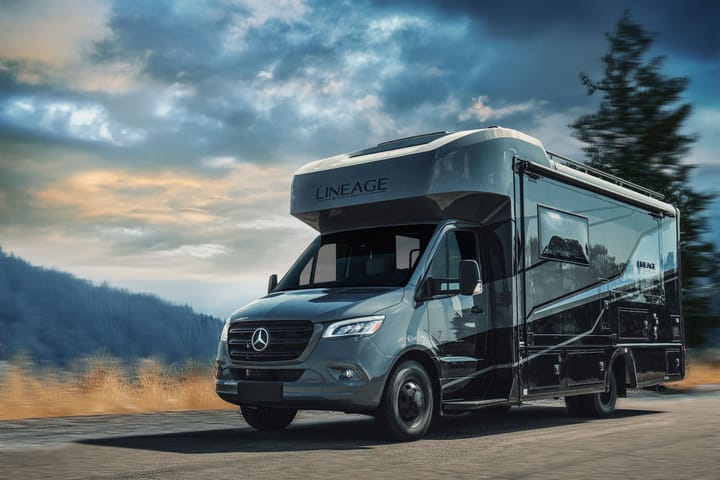
The RV industry has gone through one of the most dramatic cycles in its history over the last five years. From the pandemic-driven boom to the post-2022 correction, the market has now entered a more rational, data-driven phase. As we move through 2026, the RV market is no longer about frenzy or fear-it’s about pricing accuracy, transparency, and efficiency.
Here’s where the RV market stands in 2026, and what it means for buyers, private sellers, and dealers.
A Stabilized Market After Volatility
The explosive demand seen in 2020–2021 has fully normalized. Inventory levels have stabilized, and pricing has corrected across most segments. While some late-model units saw sharp depreciation in prior years, 2026 pricing reflects true market value, not inflated expectations or forced discounting.
This normalization has created a healthier ecosystem:
- Buyers are more informed and patient
- Sellers are realistic about pricing
- Dealers are focused on margin discipline, not volume at all costs
The result is a market that rewards accurate listings, clean inventory, and strong exposure.
Buyers Are Smarter and More Selective
Today’s RV buyer has access to more data than ever. They’re comparing:
- Model-year depreciation curves
- Floor plan popularity
- Mileage, condition, and region
- Dealer pricing vs. private-party value
Impulse purchases are rare in 2026. Buyers want confidence, clarity, and comparability. Platforms that allow side-by-side comparisons and transparent listings are winning attention, while outdated classified-style marketplaces are losing relevance.
For buyers, this is a strong market:
- More choice
- Less pressure
- Better negotiating leverage
Private Sellers Face a New Reality
For private sellers, the biggest shift in 2026 is who your buyer actually is.
While retail buyers still exist, a growing share of clean, late-model RVs are being purchased by dealers sourcing inventory. Dealers are actively hunting private listings to:
- Avoid auctions
- Control acquisition costs
- Fill specific inventory gaps
This has changed the private-sale dynamic. Sellers who list in the right place, with the right exposure, can receive multiple competing offers—often faster than selling directly to a consumer.
The key for sellers in 2026 isn’t just listing an RV. It’s listing it where decision-makers are already looking.
Dealers Are Focused on Precision, Not Volume
Dealers in 2026 are operating leaner and smarter. The days of overstocking inventory are gone. Instead, dealers are:
- Targeting specific years, models, and price bands
- Prioritizing private-party inventory
- Relying on data, not guesswork
This shift has increased demand for marketplaces that deliver qualified, motivated sellers, not cold leads or low-intent traffic.
Dealers aren’t looking for more listings—they’re looking for the right listings.
Technology Is Reshaping How RVs Are Bought and Sold
The biggest long-term trend shaping the 2026 RV market is technology.
AI-driven search tools, smarter filters, and pricing intelligence are replacing manual browsing and endless phone calls. Buyers expect platforms to help narrow choices instantly. Sellers expect visibility and real demand. Dealers expect efficiency.
Marketplaces that combine:
- Intelligent search
- Clean user experience
- Dealer access
- Transparent pricing
are becoming the standard, not the exception.
What This Means Going Forward
The RV market in 2026 is not about timing the market—it’s about using the right tools.
- Buyers win by shopping smarter, not faster
- Sellers win by listing where demand already exists
- Dealers win by sourcing inventory more efficiently
The platforms that succeed in this environment are the ones built for how the market actually works today—not how it worked a decade ago.
At TrueRVs, we believe the future of RV buying and selling is simpler, more transparent, and more connected. The 2026 market rewards clarity, efficiency, and real value—and that’s exactly where the industry is headed.